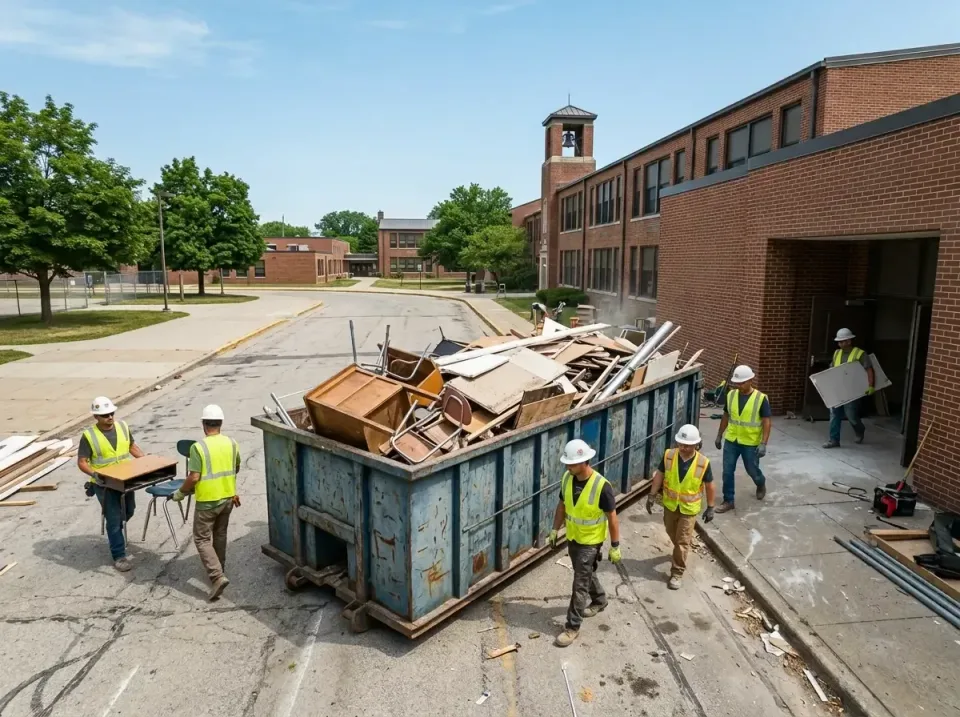
Standard Porta Potty Rental
Standard portable restroom rentals for Abilene homeowners, contractors, event producers, and property managers.
A construction toilet rental should include a clean unit, scheduled servicing, safe placement, and delivery before workers arrive. OSHA’s construction rule allows one toilet for 20 workers or fewer.
Construction workers need nearby toilets, especially when indoor plumbing is unavailable. A local toilet service company can match units to crew size and project duration.
In Abilene, Texas, access matters as much as equipment. Trucks need a clear route, stable ground, and enough room for pickup.
Ask whether the quote includes restroom servicing, waste removal, and a contact for delivery changes. Those details prevent missed timing and strong odors.
Portable Sanitation Services helps construction contractors plan temporary facilities around active work areas, changing schedules, and site access.
Worker coverage: OSHA’s construction rule requires one toilet seat for every 20 workers, so crew size drives the restroom-to-worker ratio.
Routine care: A construction site toilet service frequency guide should address restroom servicing, waste pumping, and extra visits when use increases.
Odor control: A strong smell often signals a full waste tank or missed route service; scheduled cleaning and deodorizer treatment address the cause.
Safe access: Place a standard portable restroom on stable ground near work areas, while keeping service access open for a vacuum truck.
Hand hygiene: Add a handwash station with a freshwater tank when workers need more than a hand sanitizer dispenser; Portable Sanitation Services can include it in the set-and-service plan.
A useful construction toilet rental includes the unit, delivery, placement, waste containment, and a defined service schedule. A standard portable restroom commonly uses a holding tank and waste tank, while a handwash station adds a freshwater tank for worker hygiene.
The quote should identify who handles restroom servicing, how often the route service occurs, and what happens when the site becomes busier. OSHA 29 CFR 1926.51 addresses construction sanitation, so construction contractors should plan facilities before crews begin work.
For a high-rise construction toilet, placement may change as work levels move. A provider should discuss access, lifting restrictions, and scheduled pickup rather than leaving the unit beside a material staging area.
Yes, scheduled cleaning and waste tank pumping reduce the conditions that cause unusually strong odors. A standard schedule may be weekly, while high-use sites need more frequent restroom servicing.
Ask whether the service includes waste removal, surface cleaning, supplies, and deodorizer treatment. A formaldehyde-free restroom deodorizer can support odor control, but it cannot replace a timely pump-out service.
Portable restroom waste must remain contained and move through authorized disposal channels. The United States Environmental Protection Agency and state environmental agency wastewater rules shape handling practices, while a licensed septage disposal facility receives collected waste.
A customer should call Portable Sanitation Services when the tank appears near capacity, service timing has slipped, or workers report odor before the planned visit. A vacuum service truck can restore capacity without moving the unit.
Choose a standard portable restroom for general worker use when the placement area and access route support it. Choose an ADA-accessible restroom when workers or visitors need ground-level entry, a wide door opening, and interior wheelchair turning space.
The ADA Standards for Accessible Design guide accessible restroom placement. Keep the route firm, level, and free from steps or obstructions; the wider ADA restroom footprint needs more planning than a standard unit.
A flushable toilet may suit a connected restroom trailer, while a non-flush portable unit usually fits rough construction conditions better. The correct choice depends on water access, blackwater containment, service access, and the project schedule.
A delivery plan fails when the unit sits behind stored materials, soft shoulders, overhead wires, or locked gates. Provide a clear truck access route, preserve service-door access, and reserve placement near the work area without blocking equipment movement.
The provider should receive a site contact, delivery window, pickup date, and notes about changing construction phases. If a storm threatens the site, secure units and move them only through an agreed plan.
Portable Sanitation Services can help decide whether a construction toilet rental, portable handwashing station, or restroom trailer fits the site. Requesting a quote with photos, crew size, location, and access details gives the toilet service company enough information to plan set-and-service work.
A construction site toilet rental suits active crews needing durable, temporary restroom facilities. Construction-site servicing matters more than decorative features when workers use the unit daily.
| Option | Best for | Key detail |
|---|---|---|
| Standard portable restroom | General crews | Simple non-flush unit with scheduled service |
| ADA-accessible restroom | Accessible jobsite access | Wider footprint and clear turning space |
| Flushable toilet | Water-supported projects | Requires freshwater and blackwater planning |
| Temporary rental | Short project phases | Pickup and removal follows the agreed date |
| Long-term rental | Extended construction | Regular route service and flexible extensions |
A flushable toilet versus non-flush portable toilet comparison should include water access and service frequency. For equipment planning, construction restroom rental guidance can help contractors compare unit types before requesting a local quote.
Count workers: Confirm the crew total and plan the required toilet seats before delivery.
Choose equipment: Select a construction site toilet, ADA unit, or handwashing station based on actual site needs.
Map placement: Mark a level placement area near workers, away from overhead utility lines and soft shoulders.
Clear access: Maintain a clear truck access route and three feet of truck-side clearance for servicing.
Set timing: Schedule delivery before work starts, then confirm pickup and removal dates.
Plan service: Select weekly toilet service or more frequent visits as use increases.
A construction waste container may share the access route, so coordinate delivery windows. Same day portable toilet delivery can address a changed schedule, while weekly portable toilet service supports longer projects. Jobsite delivery planning resources can help coordinate shared truck access.
A standard unit commonly ranges from $75–$150 for weekly rental duration. A construction unit commonly ranges from $100–$250 when monthly servicing frequency and longer use apply.
An event unit may range from $150–$350, while an ADA unit may range from $125–$300. A handwashing station may range from $75–$200, with water capacity and servicing affecting the quote.
A 10-yard dumpster may support smaller cleanup needs, while a 30-yard dumpster fits larger construction debris volumes; these are separate services from restroom rental.
Delivery distance, site access, service frequency, placement, pickup, and rental duration affect the total. Final pricing varies by location, duration, access, and servicing.
Expert insight: Put the unit where workers naturally pass, but leave the service door reachable from the truck side. A small placement mistake can force extra handling, delay servicing, or leave the holding tank unattended longer than planned.
A vacuum truck needs a workable approach, and an ADA-accessible restroom needs a firm route without steps. Add a handwash station when workers need a reliable place to clean hands after using the unit.
Common mistake: Choosing the cheapest standard portable restroom without confirming service frequency, access, or crew growth.
A restroom trailer may suit a larger project office or guest-facing area, but individual units usually cost less for rough jobsite use. Portable toilet maintenance information can help clarify cleaning and pump-out questions before signing a service plan.
Call Portable Sanitation Services when construction workers need nearby toilets, indoor plumbing is unavailable, or a project schedule has changed. The rental should cover equipment, placement, servicing, waste removal, and pickup timing.
If guests or crews complain about long restroom lines, review the unit count and service schedule before adding temporary facilities. Portable toilet waste pumping keeps holding tanks usable during longer projects.
An ADA unit needs accessible placement, including a 60-inch turning diameter where applicable. Home renovation contractors may need monthly portable restroom service for construction when indoor plumbing remains offline.
In Abilene, TX, provide crew size, site address, access notes, delivery date, and pickup needs. Portable Sanitation Services can prepare a practical portable restroom rental quote around those details.
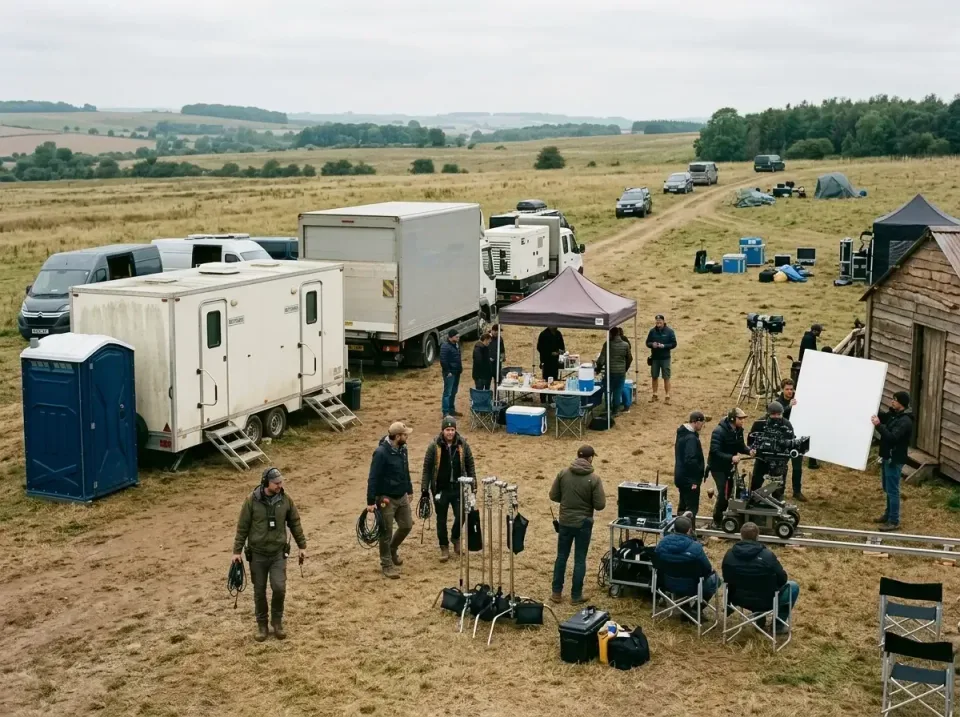
Yes, Portable Sanitation Services can plan weekly toilet service for a construction site toilet rental, with more frequent route service for high-use crews. OSHA 29 CFR 1926.51 construction sanitation requirements include one toilet for 20 workers or fewer and one toilet seat for every 20 workers.
A standard unit commonly costs $75–$150 for weekly rental duration, while a construction unit commonly costs $100–$250 with monthly servicing frequency. The final quote reflects location, duration, access, servicing, and whether the holding tank needs additional pump-out service.
An ADA-accessible restroom provides a wider footprint, wide door opening, and interior wheelchair turning space. The ADA Standards for Accessible Design commonly use a 60-inch turning diameter where applicable, and the route should have ground-level entry and firm, level placement.
Yes, Portable Sanitation Services can schedule restroom servicing, deodorizer treatment, and waste tank pumping when a portable toilet smells unusually strong. The holding tank may be near capacity, so a vacuum truck and timely pump-out service are safer fixes than adding fragrance alone.
Portable Sanitation Services should receive the site contact, clear truck access route, delivery window, and placement instructions before dispatch. If same-day portable toilet delivery becomes necessary, confirm the level placement area, overhead wire clearance, service-door access, and pickup date.
Browse all nationwide service options and choose the right fit for your project.
Standard portable restroom rentals for Abilene homeowners, contractors, event producers, and property managers.
Contractors book Abilene construction toilet rentals with scheduled servicing, jobsite placement, and optional handwashing stations.
Event producers and homeowners book Abilene portable restrooms, ADA units, and handwashing stations for festivals and outdoor gatherings.
Wedding venues and homeowners book clean portable restrooms, ADA units, and event placement for Abilene celebrations.
ADA-accessible restroom rentals for Abilene events, construction sites, venues, and home projects.
Homeowners, contractors, and event organizers book accessible restroom units for safer, easier restroom access in Abilene.
Homeowners, venues, and event producers book luxury restroom trailers for polished Abilene gatherings.
Homeowners, contractors, and event planners book Abilene handwashing stations for clean water access at temporary sites.
Hand sanitizer station rentals help Abilene homeowners, contractors, and event managers improve guest and worker hygiene.
Abilene homeowners, contractors, and event hosts can rent deluxe flushable toilets for cleaner temporary restroom access.
Portable shower trailers give Abilene homeowners, contractors, and event producers private bathing facilities during temporary projects.
Emergency portable toilets for Abilene homeowners, contractors, event hosts, and property managers facing urgent restroom needs.
Homeowners, contractors, and event planners book same-day portable toilet delivery throughout Abilene.
Short-term portable toilets for Abilene homeowners, contractors, and event organizers needing clean temporary restroom access.
Long-term restroom rentals with scheduled servicing for Abilene homeowners, contractors, and property managers.
Monthly portable restroom service for Abilene homeowners, contractors, event hosts, and property managers needing scheduled upkeep.
Homeowners, contractors, and property managers book scheduled weekly toilet cleaning, waste pumping, and restroom servicing in Abilene.
Job-site sanitation for Abilene crews — portable toilet cleaning & servicing with ADA options, servicing schedules, and placement guidance.
Contractors, homeowners, and event hosts book Abilene waste pumping to empty and service portable restroom tanks.
Homeowners, contractors, and event planners book Abilene restroom delivery, servicing, and pickup for temporary needs.
Contractors and property managers book Abilene jobsite restrooms with planned delivery, servicing, and pickup.
Homeowners and contractors book Abilene toilet rentals for renovations, backyard events, and properties without working indoor plumbing.
Corporate restrooms for Abilene companies, venues, conferences, and business events, including standard, ADA, and trailer options.
Homeowners and event hosts in Abilene book clean portable restrooms, ADA units, and trailers for outdoor parties.
Construction and event sanitation in Abilene — sports tournament & recreation restrooms with delivery, pickup, and compliance basics covered.
Event producers book clean portable toilets, ADA units, and handwashing stations for fairs, carnivals, and community gatherings in Abilene.
Need reliable Portable Sanitation Services in Abilene, TX, 79607? We place event toilets, provide ADA access, clean units, and schedule pickups. Fair quotes for parks, parties, and venues.
Event producers and venues can book festival restrooms, ADA units, handwashing stations, and restroom trailers in Abilene.
High-rise construction toilet rentals give Abilene contractors nearby, serviced restrooms for active job sites.
Contractors and property managers book remote portable toilets for construction sites, rural projects, and properties without plumbing.
Disaster relief toilets, restroom trailers, and servicing for Abilene homeowners, contractors, and response organizations.
Road project restrooms give Abilene contractors nearby toilets, servicing, and accessible units for highway crews.
Roofing contractors book Abilene portable toilets with scheduled servicing for safe, convenient job-site access.
Contractors book Abilene jobsite restrooms, ADA units, and scheduled servicing for active commercial projects.
Contractors and facility managers book Abilene industrial portable toilets with scheduled cleaning, pumping, and jobsite placement.
Portable toilets and handwashing stations for Abilene farms, ranches, field crews, and agricultural contractors.
Restroom placement, servicing, and pickup for cemetery memorials, funeral gatherings, and outdoor remembrance events in Abilene.
Schools, churches, and event hosts book clean portable toilets, ADA units, and handwashing stations in Abilene.
Campgrounds, parks, and outdoor event hosts can book portable toilets, ADA units, and handwashing stations in Abilene.
Event producers and venue managers book portable toilets, ADA units, and restroom trailers for large Abilene gatherings.
Homeowners, contractors, and property managers book Abilene yard dumpsters for brush, renovation debris, and cleanouts.
Homeowners, contractors, and property managers book Abilene dumpster rentals for cleanouts, renovations, household junk, and yard debris.
Commercial dumpsters for contractors, property managers, and businesses handling construction debris, cleanouts, or renovation waste in Abilene.
Contractors and property managers book Abilene construction dumpsters for clean, controlled debris removal.
Contractors and property owners book Abilene demolition dumpsters for concrete, wood, drywall, and construction debris removal.
Homeowners, contractors, and property managers use our Abilene service for concrete, dirt, and masonry cleanup.
Homeowners, landscapers, and contractors book Abilene yard waste dumpster rental for branches, brush, leaves, and cleanup debris.
Homeowners and roofing contractors book Abilene dumpster rentals for shingles, underlayment, and jobsite debris.
Appliances, furniture, and bulk trash from Abilene homes — junk removal dumpster rental with driveway protection and weight tips.
Homeowners, contractors, and property managers book Abilene dumpsters for furniture, household junk, estate debris, and renovation cleanup.
Furniture, boxes, and household junk from Abilene properties — garage cleanout dumpster rental with clear rental days and pickup timing.
Homeowners and property managers book Abilene dumpsters for basement junk, attic debris, estate cleanouts, and renovation waste.
Home cleanouts and moves in Abilene need driveway-friendly placement and the right container size — moving & renovation dumpster rental without surprise reload fees.
Need reliable Estate Cleanout Dumpster Rental in Abilene, TX, 79607? We clear estate debris, sort household junk, load roll-offs, and arrange pickup. Fair quotes for families and property managers. Call (512) 566-1992.
Homeowners, contractors, and property managers book Abilene roll-off dumpsters for urgent cleanouts, renovations, and debris removal.
Emergency dumpsters help Abilene homeowners, contractors, and property managers remove storm debris, construction waste, and household junk.
Short-Term Dumpster Rental in Abilene — practical container sizing, placement guidance, and disposal rules explained before you book.
Long-term dumpster rentals help Abilene homeowners, contractors, and property managers manage ongoing debris and cleanout projects.
Local roll-off dumpster rental for Abilene with clear pricing drivers, weight limits, and scheduling you can plan around.
Need reliable Portable Sanitation Services in Abilene, TX, 79607? We deliver dumpsters, place containers, schedule pickup, and handle debris. Fair quotes for homes and jobsites.
Short rentals and tight timelines in Abilene — temporary dumpster rental with delivery windows, extension options, and pickup coordination.
Contractors and property managers book Abilene jobsite dumpsters for construction debris, cleanup work and scheduled pickup.
Office cleanout dumpsters help Abilene businesses, property managers, and contractors remove furniture, equipment, and renovation debris.
Homeowners, contractors, and property managers book Abilene dumpsters for storm branches, roofing debris, and cleanup loads.
Homeowners, contractors, and property managers can remove household junk, brush, and debris with an Abilene cleanout dumpster.
Homeowners, contractors, and property managers book Abilene household waste dumpsters for cleanouts, renovations, furniture, and general junk.
Homeowners, contractors, and property managers book Abilene dumpsters for hot tub, pool shell, deck, and removal debris.
Homeowners and contractors book Abilene containers for brush, limbs, leaves, and other non-hazardous yard waste.
Homeowners, contractors, and property managers use our Abilene dumpsters for furniture, appliances, household junk, and cleanout debris.
Homeowners, contractors, and property managers book Abilene dirt and soil dumpsters for excavation, grading, landscaping, and cleanup.
Homeowners and contractors use this Abilene dumpster for lumber, framing, drywall, and other construction debris.
Homeowners and roofing contractors book Abilene roof shingle dumpsters for contained tear-off debris and scheduled pickup.
Commercial sites in Abilene need reliable swap-outs and permit-aware street placement — commercial renovation dumpster for ongoing operations.
Heavy debris needs the right yard size and weight plan. Asphalt & Concrete Dumpster for Abilene jobs with upfront tonnage guidance.
Event producers and property managers book Abilene cleanup dumpsters for post-event debris, restroom support, and scheduled pickup.
Delivery access, swap-outs, and pickup timing for Abilene job sites — dumpster rental with flexible pickup with driver requirements explained before drop-off.
Roll-off logistics in Abilene — dumpster delivery & pickup covering placement, swap service, and final haul-off scheduling.